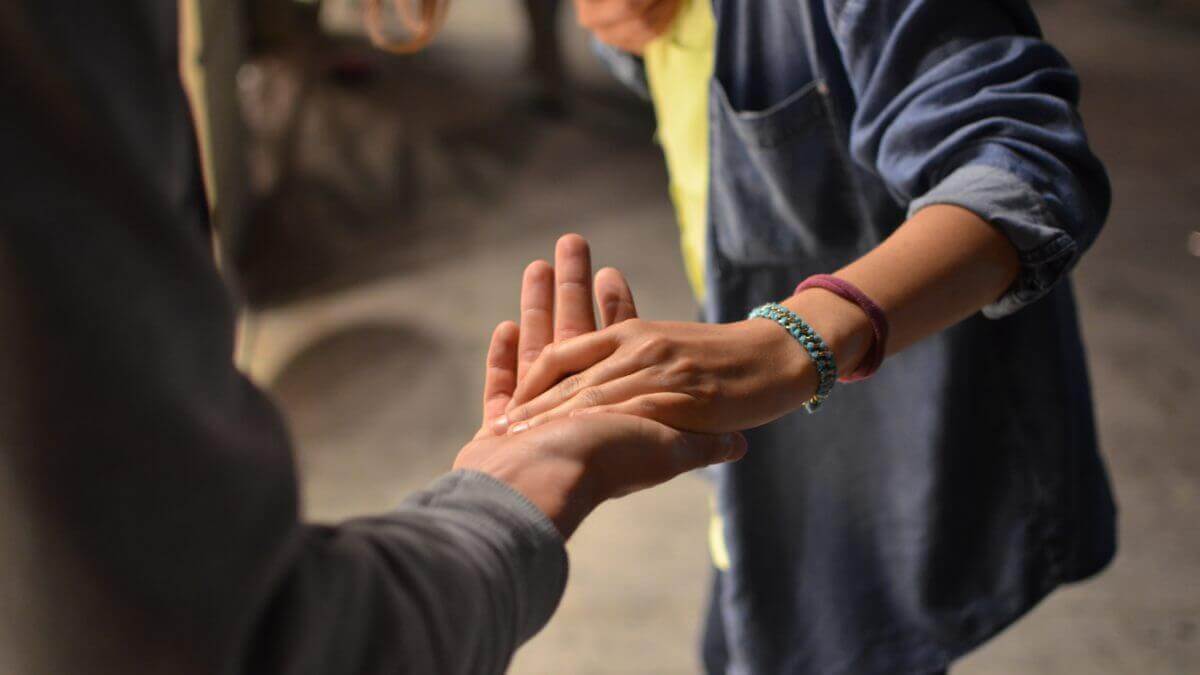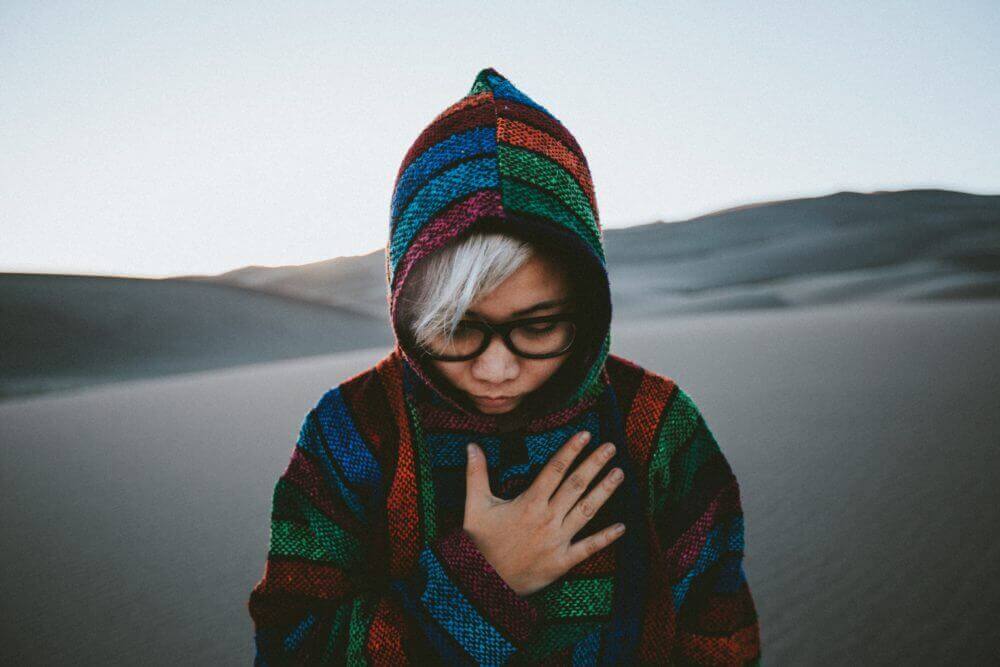
For those of us in the helping professions as counselors, therapists and social workers, we've always focused on understanding the diverse needs of our clients and being culturally aware of our unique differences from a mental health standpoint.
However, in light of the divisiveness in our country right now, it may help to translate this approach of understanding and inclusiveness to our interactions with others in our everyday lives.
In our professional work, we call this "multicultural competency," which is our understanding and awareness of the differences that someone’s culture, identity, ethnicity and race bring into our interactions with them. These differences can also be broadened to include gender, age, sexual orientation, religion and spiritualty, socioeconomic class, family history and even geographic location.
While we may have altruistic intentions, we are naïve to believe that we do not bring our own biases, experiences and judgements into engagements with those who are different than us. Unfortunately, many times, those biases and judgements aren’t based on real interactions, but on unrealistic stereotypes – based on social media, television and movie characters, or through the filters of others’ experiences that we have taken as word.
Some ways to become more multiculturally competent include:
Learn about yourself
Tapping into your own self-reflection and awareness of different cultural and diverse groups of people provides insight into the biases and pre-conceived notions of others. Also, researching and understanding your own family history and heritage can bring greater understanding of how your family background seeps into judgements about others.
Learn about other cultures and minority groups
Education about different cultures and diverse groups lessens misunderstanding and ignorance. Reading scholarly articles or biographical stories bring a richness to our understanding of others. Memoirs are also a good way to connect with other’s experiences in a way that is real and authentic. For example, the documentary Divided We Fall, sheds light on hate crimes against South Asians after 9/11. Another example, Being Mortal by Atul Gawande, provides great insight into the aging process and how geriatric patients feel about aging and dying and how ageism affects older adults.
Immerse yourself in the differences
There is no better way to learn about others than to immerse yourself in different experiences. By visiting someone else’s house of worship, or their local community center you can expand your multicultural competency. How does that experience change your worldview? My guess is that because of those encounters we become more culturally open-minded.
Ask Questions
Also, just asking questions with the intent to understand our differences goes a long way in connecting with others. Building a rapport with someone with whom you may be different establishes a willingness to learn, builds respect and gains an understanding of both of your worldviews. We need to get past political correctness and be honest with the fact that we don’t know everything. Knowledge is everything. For example, if you see your son’s friend’s mom wearing a hijab – a head covering worn in public by some Muslim women – and you want to can learn more about her culture and ethnicity, start by using a third-object conversation starter to soften the question. Using this technique, comment on something both in the environment that you both can relate to. For instance, you may see kids getting on their bike and comment how you remember riding your bike as a kid, asking if that is something she did where she grew up or how they like living in your town or in your neighborhood, , then lead into more personal questions about culture or religion, leading to more direct questions about their hijab.
Or ask a neighbor with whom you don’t know to come for dinner to learn more about their culture or ethnicity, asking if they have a favorite dish they would be open to sharing. These interactions breeds inclusiveness and community.
The key to understanding each other, is to get to KNOW each other – having real and true experiences and conversations with those who are different or have dissimilarities. No matter the political spectrum or the values and beliefs that we carry, learning about each other and admitting when we don’t is a much more compassionate and emphatic path to unity.
Erin Swinson, LMHCA, LPC
Therapist
Clarity Clinic
Faculty. (2014, July 29). Five Important Aspects of Multicultural Counseling Competencies. Retrieved on January 30, 2017 from http://www.delval.edu/blog/five-important-aspects-of-multicultural-counseling-competencies.
Clay, R.A. (N.A.) How do I become more culturally competent? American Psychological Association. Retrieved on January 30, 2017 from http://www.apa.org/gradpsych/2010/09/culturally-competent.aspx.