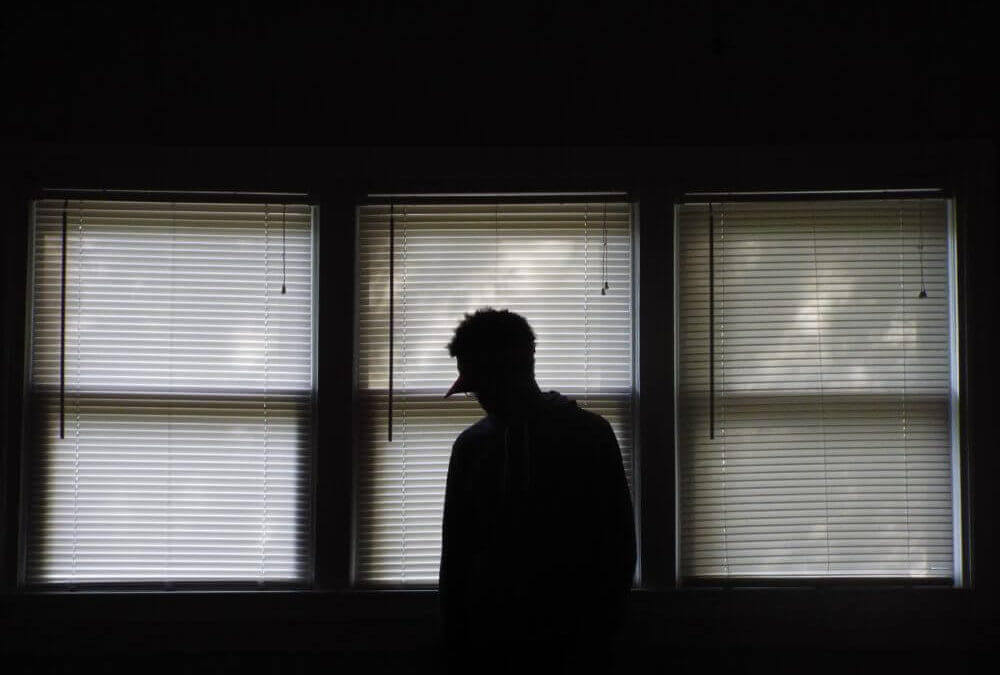
As a teenager, my parents would call me lazy. They couldn’t understand why I retreated to my room all the time, wanting only to sleep, and losing interest in activities and social situations I once found gratifying. For a long time I believed I was lazy and that belief carried with me through to adulthood. But what I eventually learned was that I wasn’t lazy, I was depressed.
According to the National Institute of Mental health, an estimated 3 million adolescents, aged 12 to 17 have had at least one major depressive episode in the past year, representing nearly 13 percent of the population in that aged group.
Childhood depression may not be on our radar, but according to David Fassler, M.D., co-author of "Help Me, I'm Sad": Recognizing, Treating and Preventing Childhood and Adolescent Depression. one child, in every classroom, will have depression.
Major Depressive Disorder is considered a mood disorder which includes distressing symptoms such as sadness and emptiness and can affect sleep, eating and school functioning for at least two weeks or longer. Those suffering from major depressive disorder often described themselves as feeling “blah,” and have lost interest and motivation in activities that used to bring pleasure or joy.
While it is normal for children and adolescents to feel sad and unhappy sometimes, those struggling with depression have a pervasive feeling of emptiness that can permeate through all aspects of their life. For me, I remember a constant feeling of loneliness that was hard to describe and even more difficult to shake. My interest in sports and extracurricular activities diminished; I had limited motivation for schoolwork or household chores and I constantly felt like I wanted to cry.
Signs and Symptoms to Look For
Depression in adolescents can be difficult to spot, as it can mimic normal development stages in teenagers. However, below are some signs and symptoms to note and keep your eye on as a parent.
Increase in anger, irritably or moodiness. Unlike with adults, many times adolescent depression manifests itself in angry outburst, extreme emotional responses such as crying or sadness that may be disproportionate to the situation.
Disinterest in social situations and activities. You may notice that your child begins to lack motivation to do chores or homework. Additionally, your child may express an increase in aches and pains, particularly headaches or stomachaches, using physical ailments as an excuse to get out of once pleasurable activities.
Change in sleep patterns - Depression in adolescents can affect sleep cycles. Do you notice your child has been sleeping more than usual, or has maybe has had trouble falling or staying asleep?
Flat affect – Many adolescents and adults struggling with depression show a decrease in emotional expressiveness, have limited facial expressions or appear bored or disinterested.
Expressions of low self-worth or inadequacy - Take note of phrases such as “I am an idiot,” “Nobody likes me,” or other similar mentions tied to self-worth and self-esteem.
It can be heartbreaking as a parent to see your child struggling, but depression is treatable and early diagnosis and treatment can help with the severity and duration of potential future depressive episodes. For more information or to schedule an appointment, visit www.claritynwi.com.
Erin Swinon, LMHCA, LPC
Therapist
Clarity Clinic
National Institute of Mental Health. (2015). Major depression among adolescents. Retrieved from https://www.nimh.nih.gov/health/statistics/prevalence/major-depression-among-adolescents.shtml
Ludwig, S. E. (n.d.). 6 Things to Know about Child Depression. Retrieved on July 19, 2017 from http://www.parenting.com/article/6-things-to-know-about-child-depression