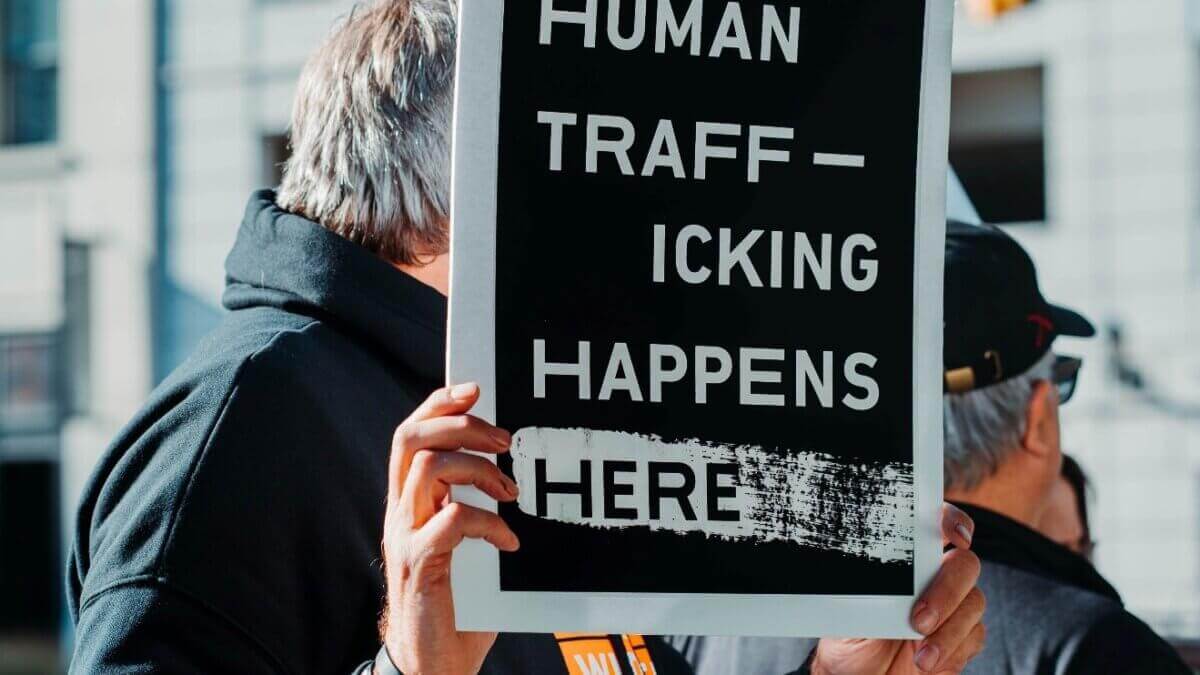
January is Human trafficking Awareness Month. Human trafficking involves the use of force, fraud, or coercion to obtain some type of labor or commercial sex act. Every year, millions of men, women, and children are trafficked worldwide – including right here in the United States (Department of Homeland Security, 2022). There are many preconceived notions about what human trafficking is, who it affects and why it happens. This blog will highlight facts and fiction surrounding human trafficking, how you can identify it, as well as how to help support survivors.
Fact Vs. Fiction
- Human trafficking is only sex trafficing - fact or ficiton?
- Ficiton. While sex trafficking is part of human trafficking, it is not the only one. Human trafficking includes labor trafficking and exploitation as well.
- Human trafficking victims will seek help while out in public- fact or fiction?
- Ficition. Because human trafficking is often a hidden crime and psychologically damaging to victims, they will often stay silent for fear of retaliation from their traffickers.
- Human trafficking exists everywhere- fact or fiction?
- Fact. Many people believe that it only happens in foreign countries, but it happens here, even in the States of Illinois and Indiana. (DHS, 2022).
Signs of Human Trafficking
Recognizing signs of human trafficking can be vital in getting a survivor the help they need and deserve. Some of the signs to look for include:
- Appearing disoriented, fearful, submissive
- Sounding coached on what they are saying
- Juveniles engaging in commercial sex acts
- Signs of being deprived of food, water, sleep, medical care
- Lacking in personal possessions/no stable living situations (DHS, 2022).
Knowing who can be at risk can also help identify resources and ways to help/educate the individual:
- Runaway children/children being abused or neglected in their homes
- Children involved in the foster care system
- Immigrants (DHS, 2022).
If you or someone you know is a survivor of human trafficking, you are not alone and the abuse that you suffered is not your fault. Counseling is available as well as safe houses and programs specific to your area. For more information, call the National Human Trafficking Hotline: 1-888-373-7888, Obtenga ayuda de la línea directa nacional de trata de personas: 1-888-373-7888.
Jennifer Lorenz, MSW, LSW
Clarity Clinic NWI
Department of Homeland Security. (2022). What is human trafficking? What Is Human Trafficking? | Homeland Security. Retrieved January 10, 2023, from https://www.dhs.gov/blue-campaign/what-human-trafficking