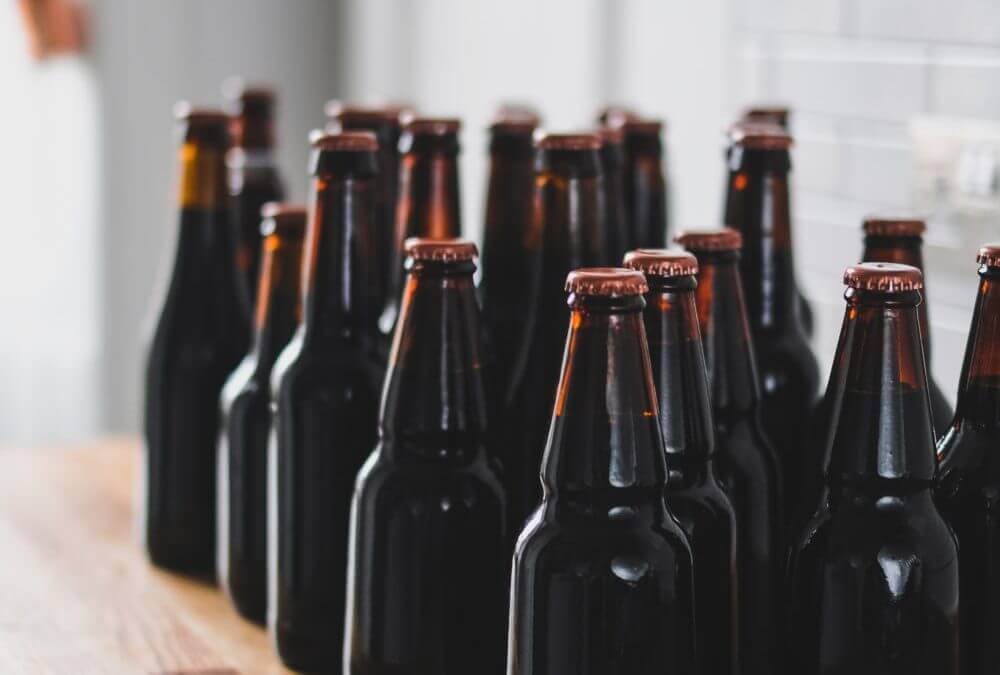
Many of us like to wind down after work with a glass of wine or connect with our friends socially over Saturday night drinks.
However, a recent study recently published found that alcohol consumption, including beer and wine, is the leading risk factor for death and disease and the seventh leading risk factor for premature death and disability worldwide in 2016.
While some previous studies have shown preventive effects of disease, such as the positive benefits of wine in the prevention of heart disease,subsequent studies have shown links between drinking alcohol and the risk of cancer, injuries and infectious diseases are greater than the protective effects.
Signs Your Drinking Patterns May Be Concerning
Like all other things, moderation is key.But how do you know what is a moderate level of drinking and what is a problem?
While your drinking may not meet the criteria highlighted in the Diagnostic and Statistical Manual of Mental Disorders (DSM) — the diagnostic manual used by clinicians and psychiatrists to identify and diagnosis mental disorder — of Alcohol Use Disorder, which effects social, professional or relationship function and typically includes large quantities of alcohol — your alcohol consumption and patterns may be red flags you are drinking too much and a cause for concern.
You Try to Stop But Can’t Commit
If you are always trying to limit yourself or set goals or parameters for your drinking (drinking only two days a week, or only planning to drink during social outings), only to find you can’t meet your goal, that might be a sign you are struggling.
If you want to cut down on your drinking or track how much you drink, a drink tracker or drink analyzer might be helpful to give you a better understanding of your drinking patterns.
Here is a link to a list of apps that you can use to begin to track and monitor your drinking:
https://www.mensjournal.com/gear/9-top-drink-counting-apps/
You Use Drinking as a Coping Mechanism
If you find yourself reaching for the bottle of wine when you are stressed, sad or dealing with distressing emotions, it might be a clue that alcohol use is a concern.We may reach for alcohol to make us feel better, but the function of alcohol as a coping mechanism is actually to numb or avoid our emotions.Sitting with our emotions, while uncomfortable, is intrinsic to healing and connecting with those feelings is healthier than numbing or running away.
You Drink Infrequently, but When You Do You Can’t Stop
You may only drink once a month, but when you do, you drink to excess and feel like you can’t stop.If this sounds familiar, you may want to consider ways to limit your drinking, including asking a trusted friend or relative to help you limit your consumption, setting a time limit on being out in social settings, or replacing alcohol with a non-alcohol drink.
You Think About Alcohol Frequently
You may not drink to excess, but if you find yourself thinking consistently about getting home to have that after-work cocktail or recurring thoughts of drinking, it might be a red flag that alcohol is unhealthy component of your life.
If any your recognize any of these subtle signs in yourself or loved ones, it can be helpful to talk to a therapist or a trusted advisor about the function of alcohol in their lives and ways to make a change.
For more information on assessment and tracking, visit the National Institute of Health’s Rethinking Drinking site to learn more — https://www.rethinkingdrinking.niaaa.nih.gov
Erin Swinson, LMHC
Therapist
Clarity Clinic
Ambrosino, K. (n.d.). 9 Top Drink-Counting Apps. Retrieved on Aug. 24, 2018 from https://www.mensjournal.com/gear/9-top-drink-counting-apps/.
May, A. (2018).Alcohol is a leading cause of death, disease worldwide, study says.Retrieved on August 24, 2018 from https://www.usatoday.com/story/news/nation-now/2018/08/24/alcohol-death-disease-study-beer-wine/1082443002/.