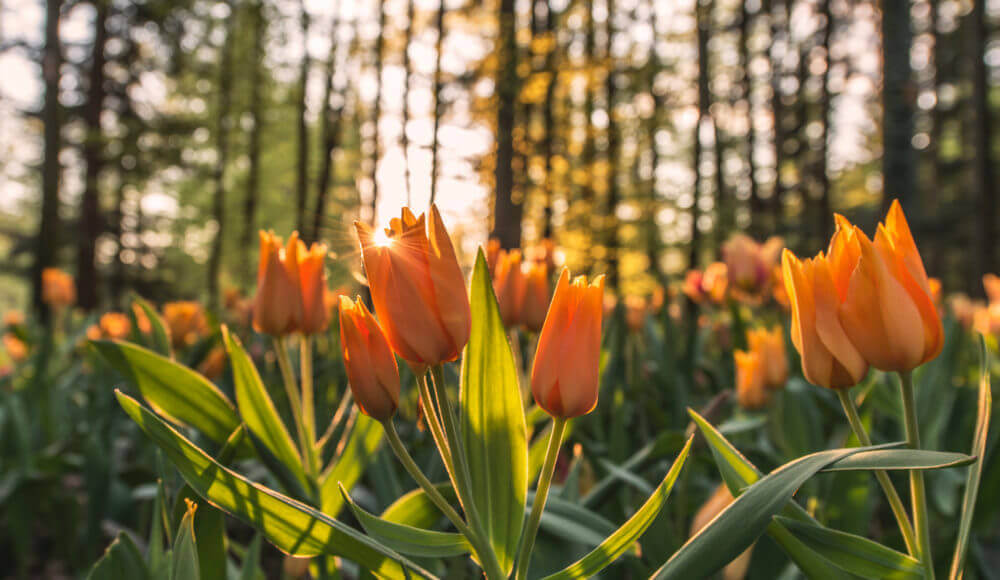
Springtime may be the season for decluttering and deep cleaning our houses, but it is also a great time for mental health spring cleaning -- assessing habits, relationships or activities that aren’t contributing positively to our overall wellbeing. While spring cleaning for our mental health may be harder than washing windows, and sweeping out cobwebs, it offers a great opportunity for a fresh start and new beginnings.
Tips for Emotional Spring Cleaning
Below are some suggestions for a psychological spring cleaning:
- Reevaluate your New Year’s Resolutions or goals you made for yourself and assess what has worked or not worked.It is not too late to restart or change your personal goal and springtime is great timing to pick back up an exercise routine or outdoor activity with the weather and light changes.
- Declutter your relationships. Are your current friendships adding to your life, fulfilling your needs, offering empathy and understanding? Reassessing what relationships serve your needs, and add to the richness of your life can be liberating, yet also challenging. However, setting healthy boundaries with those who bring negativity to your life can be good for your mental health. This is also true for your intimate relationships, using this new season as a time of rebirth to express and communicate your needs to your partner.
- Practice saying no. As Cheryl Richardson suggests in her book, The Art of Extreme Self-Care, saying no to things or people who zap your energy or leave you feeling frustrated or resentful can be a great form or self-care but can also bring guilt if you are a people-pleaser or a natural caretaker. However, asking yourself if f these people and activities bring you joy or meaning can be a good litmus test on whether to say yes.
- Rethink your schedule. If work-life or home-life balance is an issue with limited time for self-care, identify ways to carve out “me” time. That could mean carving out 15 minutes for a guided meditation or time in the evening to read a good book, but focusing on yourself and your personal priorities can contribute to your overall mental health.
As the snow melts, the flowers bloom and the birds return, letting the lightness and renewal of spring into your being can allow for a personal rebirth of your own.
Erin Swinson, LMHCA
Therapist
Clarity Clinic
http://www.cherylrichardson.com/events/the-art-of-extreme-self-care-lesson-6-the-absolute-no-list/