You probably don’t need a therapist to tell you that your environment has a huge impact on your mood and overall well-being. Just think about it, most of us start and end our day at home.
A clean, well-thought out environment can help us feel calm and grounded. While a messy, disorganized home can distract us from feeling present and connected.
Being more mindful of your environment can help reduce anxiety and low mood. Not sure where to start? No worries! Grab your favorite snack and let's talk about 5 ways you can create a peaceful space at home.
- Consider this….
Start by asking yourself “what feelings do I want to associate with my home space?” Maybe you crave comfort and relaxation after working long hours. Maybe you spend most of your day making decisions and want to walk into a home where everything has its place. Maybe you want your home to feel vibrant and playful or peaceful and serene. Then, choose 3 feelings you want to associate with your home space. These words will help guide you as you consider how to make your space work to elevate your mood. - Let Go and Declutter
A messy home can make for a busy brain. Cleaning and decluttering can help reduce anxiety. That said, it can be difficult to clean when you are feeling low. Try starting with the room that you spend the most time in. You may even be inspired to keep going once you’ve finished. - What’s that smell?
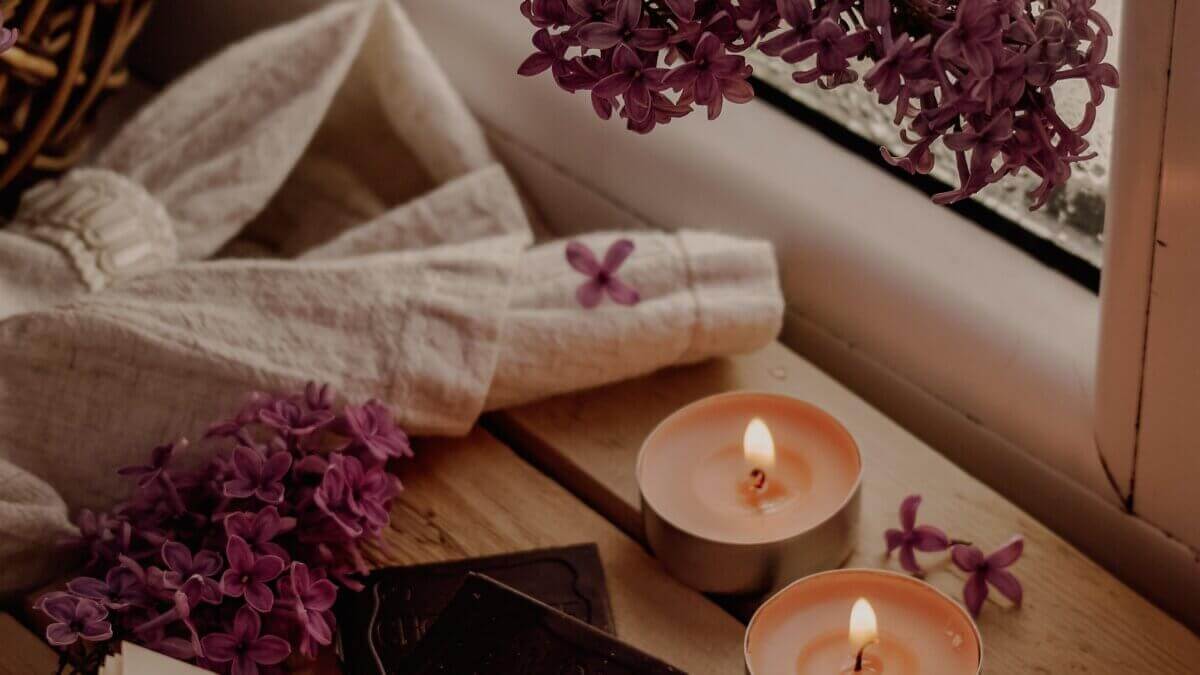
According to competitive choice net - research shows that there is a “40% improvement in mood after exposure to a pleasant scent.” Think candles, incense, essential oils, even your grandmother's chocolate chip cookies. You may even choose a signature scent that can act as a happiness trigger when you step through the front door! - Consider Color
Color can bring energy or calm into a space. If you want to feel peaceful and serene, try colors most commonly associated with nature – think blues, greens, and neutral colors. If you want to feel inspired, pick vibrant colors that feel energetic and playful. You can start by painting an accent wall or swapping in some new throw pillows. - Bring in Elements of Nature
Plants breathe life into a space while purifying the air around them. Don’t have a green thumb? Plants such as Pothos and Sansevierias can handle lower lighting and a few miswaterings.
So you see, being mindful of the impact your surroundings have on your mood can be an easy way to engage in self-care. Don’t overwhelm yourself with redecorating your entire space (unless of course you enjoy that sort of thing). Even incorporating one of these tips can boost your mood and help you feel more connected to your environment.
Telisa Fears, LMFTA
Mental Health Therapist
NWI Clarity Clinic