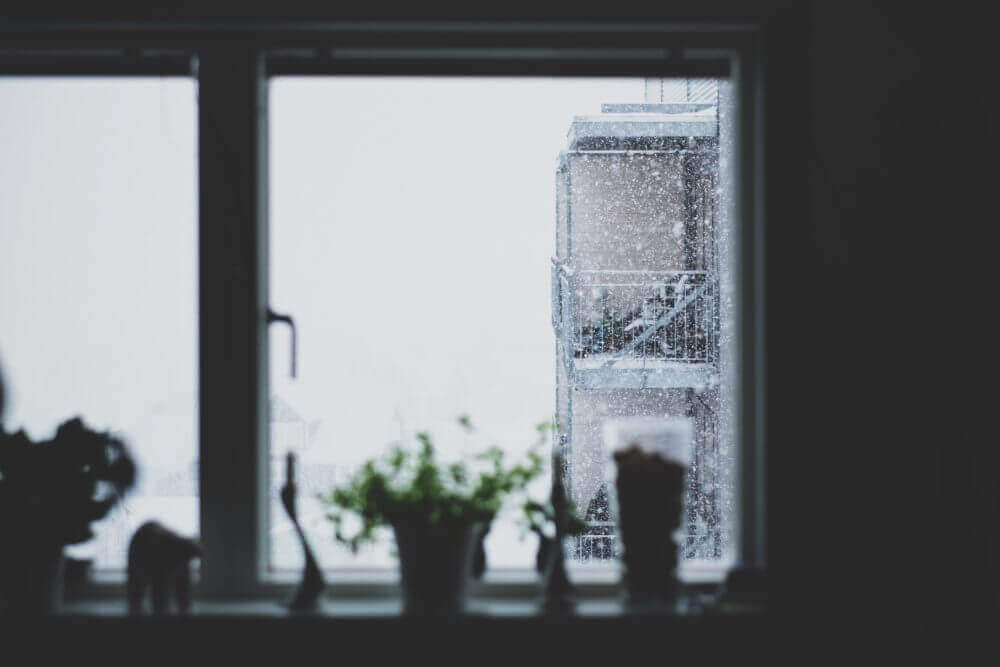
You may have noticed your motivation and mood change recently, maybe chalk it up to the chaos or stress of the season. You may find yourself craving starches and wanting nothing more than to stay in bed for days at a time watching endless reruns of “The Real Housewives.” Just like millions of Americans, you may suffer from seasonal depression, sometimes called “the winter blues,” a type of depression that follows the seasons, primary in the fall and winter months. Season-specific depression affects more than 4 to 6 percent of Americans and is more prevalent in women, as well as those who live further away from the equator.
Symptoms of seasonal depression may include:
- Increased desire for sleep
- An increase in appetite and food cravings, particularly carbs
- An increase in weight
- Irritability
- Interpersonal difficulties, with particularly sensitivity to rejection
While the specific causes of seasonal depression remain uncertain, the reduced levels of natural light during winter months may cause a reduction in serotonin levels affecting mood and increasing depressive symptoms. Additionally, increased levels of melatonin, a sleep-related hormone, are produced at higher levels in the dark, so during darker and shorter days, your body may believe it needs more sleep.
Several different treatment options and lifestyle changes have been shown to reduce seasonal depressive symptoms and improve overall well being.
Light Therapy
Research has found that light therapy or light boxes can reduce symptoms of season-specific depression. Lightboxes emit high levels of light, producing similar effects to the sun’s natural rays and helping restrict the production of melatonin in the brain. Studies have found that by using a light box 30 minutes to 2 hours a day can significantly reduce depressive symptoms within 2 weeks. Also, keeping your shades open during the day and forcing yourself to walk outside before work or during your lunch break to get natural light can also help improve symptoms during the winter months.
Vitamin D
With the limited sunlight in winter months, your body reduces its ability to produce Vitamin D, which is produced by direct exposure to sunlight. Vitamin D naturally produces serotonin which helps regulate mood and can lead to depression, intestinal issues and sleep struggles if your body because deficient in it. Ask your doctor to check Vitamin D levels to determine whether you need a prescription for higher levels or can use over-the-counter Vitamin D capsules or gummies.
Exercise
Maintaining an aerobic exercise program during the winter months has also been shown to reduce depressive symptoms. Studies have shown that one-hour of exercise had the same benefits of 2.5 hours of light box therapy. Exercise also boosts levels of serotonin for improved mood and motivation, as well as help with limiting any weight gain during the winter months.
Talk Therapy
If symptoms persist, seeking the help of an emphatic therapist can help to normalize and validate your symptoms, as well as help identify negative thoughts and behaviors that may be making you feel worse. You can work toward positive change to reduce symptoms and find healthier lifestyle options to increase mood and overall well being.
While your seasonal depression may only be limited to winter months, symptoms could be debilitating and can impair your quality of life. Finding ways to manage your symptoms and turning toward your support system will go a long way in helping you get through the “winter blues.”
Erin Swinson, LPC, LMHCA
Grohol, J. (2016). Treatment for Seasonal Affective Disorder. Psych Central. Retrieved on January 3, 2017, from http://psychcentral.com/lib/treatment-for-seasonal-affective-disorder/
Seasonal Depression. (n.d.). Retrieved January 3, 2017 from http://www.mentalhealthamerica.net/conditions/sad.