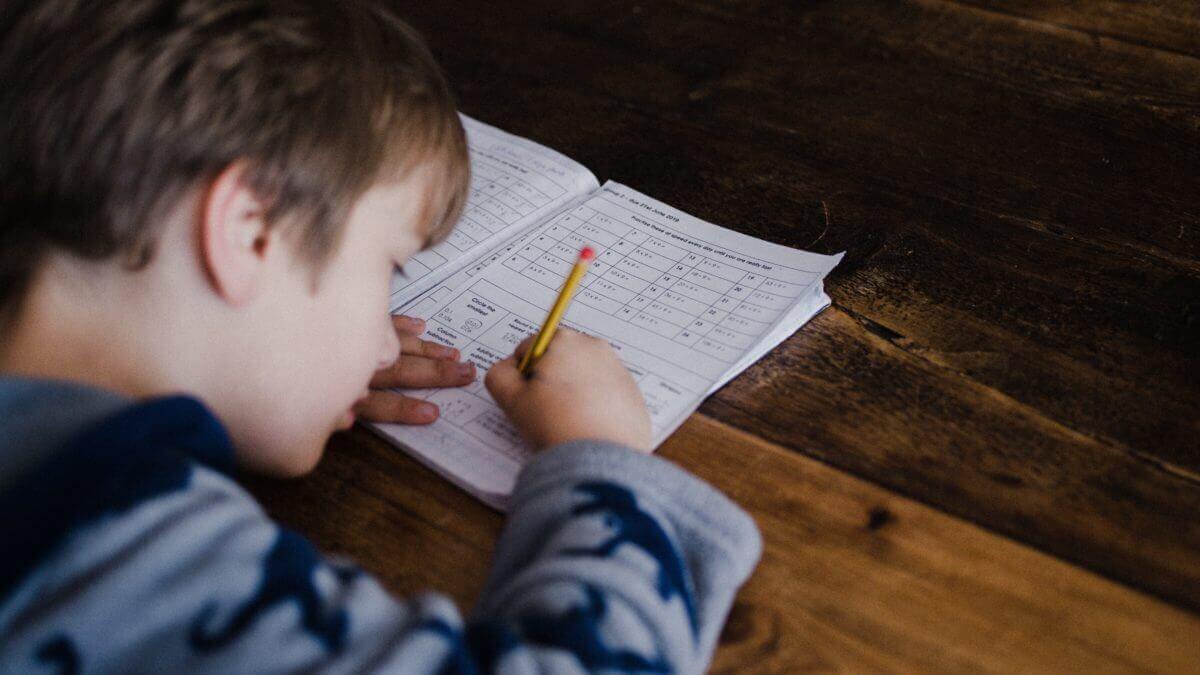
Many of us have heard the term “gender socialization” and recognize how it plays a part in the differing behaviors, emotional expressions, and preferences of males and females. Gender socialization is the process of males or females learning behaviors and attitudes considered to be appropriate for their assigned gender, whether it is a boy or girl. Our society is inundated with messages of what it means to “be a girl” or “be a boy.”
Boys vs. Girls Emotionally Expression
For instance, boys may be raised with messages to be tough, assertive, independent, and successful. Girls may be taught to be accommodating, relationally oriented, and given space to express emotions and thoughts more freely than boys. This socialization process can impact us in various ways and can be particularly influential for couples navigating closeness and communication in their relationships.
While none of these traits are necessarily bad in and of themselves, if we are taught we must be a certain way in order to” be a man” or “be a woman” we may begin to limit authentic expression across the gender spectrum as we try to fit into assigned gender roles. For some, these messages can become particularly strong. For instance, being tough and independent for boys may translate into suppressing emotions and not seeking help, even during moments when each of these may be needed. Many of us have heard stories of young boys who were hurt or upset, but were told not to cry in order to not be seen as a “sissy.” These small moments can add up to large messages over time.
Navigating Gender Expression in Relationships
In couple relationships, navigating these differences in socialization may cause distress at times. During times of stress, conflict, or difficulty in relationships, one of the most common reactions for men is to shut down (Jensen, Brimhall & Didericksen, 2018). Because many women are given more space or taught to express thoughts and emotions, in heterosexual-presenting relationships (a romantic relationship between a man and a woman), women may interpret this shutting down as a lack of caring. In reaction, women may begin to strongly pursue more openness from their partner out of frustration, confusion, and hurt.
However, many men react in this way not due to lack of caring for their partner, but because of messages that they should know how to be control and successful in fixing problems (Jensen, Brimhall, & Didericksen, 2018). They may be feeling overwhelmed, ashamed, or lost in how to resolve the issue, and sensing frustration from their partner may increase these messages of failure. This pattern may be more apparent for men who have been taught to suppress emotions, as talking through vulnerable or hurt feelings may not have been part of their socialization experience.
Luckily, these patterns can be changed, with both partners feeling much more satisfied in their relationship. Research on heterosexual relationships has shown that when men are more sensitive and open to their partner, not only are women more satisfied in their relationship, but men are as well (Sabey, Rauer & Jensen, 2014). Experienced couple’s therapists can aid partners in understanding how these differing socialization experiences may play out in their relationship, and aid couples in working to resolve these differences and feel closer and more connected to one another. This process may include working towards more open communication, lowered reactivity and frustration, and more sensitivity towards one another. Therapy is a particularly good option for working through these differences, as couple’s therapists can act as a mediator so that neither partner feels overwhelmed in this process.
While we may joke that “men are from mars” and “women are from venus”, in some ways our socialization processes may speak to this. However, finding common ground and connection is still possible and extremely beneficial… and can have a powerful and positive impact on our relationships.
Ashley Elcock, MS
Therapist
Clarity Clinic NWI
Jensen, J., Brimhall, A., & Didericksen, K. (2018, November 18). Removing the Mask of Masculinity in Therapy. Seminar presented at the American Association of Marriage and Family Therapy Annual Conference, Louisville, KY.
Sabey, A. K., Rauer, A. J., & Jensen, J. F. (2014). Compassionate love as a mechanism linking sacred qualities of marriage to older couples’ marital satisfaction. Journal of Family Psychology, 28(5), 594-603. doi: 10.1037/a0036991