Nearly 93% of households with school aged children reported some form of distance learning during the Covid-19 pandemic (US Census Bureau, 2020). As children prepare to make the transition back to an in-person learning environment, which has a plethora of benefits including peer motivation, social interaction, and an overall better structured learning environment; The transition also may come with some mental health challenges including social anxiety, lack of social skills, and fear. In-person learning is the optimal experience for school aged children, but we must accept that although children are resilient, returning to an in-person learning environment will require a period of adapting. However, there are things we can do as parents to assist in making the transition as smooth as possible.
Practical Tips for School Year
- Home Routine: The transition back to in-person school can be less stressful by creating and implementing routines like a night time routine. Allowing children to have a proper night's sleep, consisting of at least 6-8 hours, allows their brains time to rest and rejuvenate so that they can perform at their best, have better concentration, and improve their overall mood.
- Proper Nutrition: Proper nutrition is essential for helping children think clearly and feel more alert. It also helps to improve concentration and mental clarity. A lack of proper nutrition can exasperate underlying mental health concerns such as stress and depression. Focus on providing children with plenty of water, fresh fruits and vegetables and concentrate on foods rich in Omega-3 fatty acids which are wonderful brain foods (“Eating Well for Mental Health,” 2021).
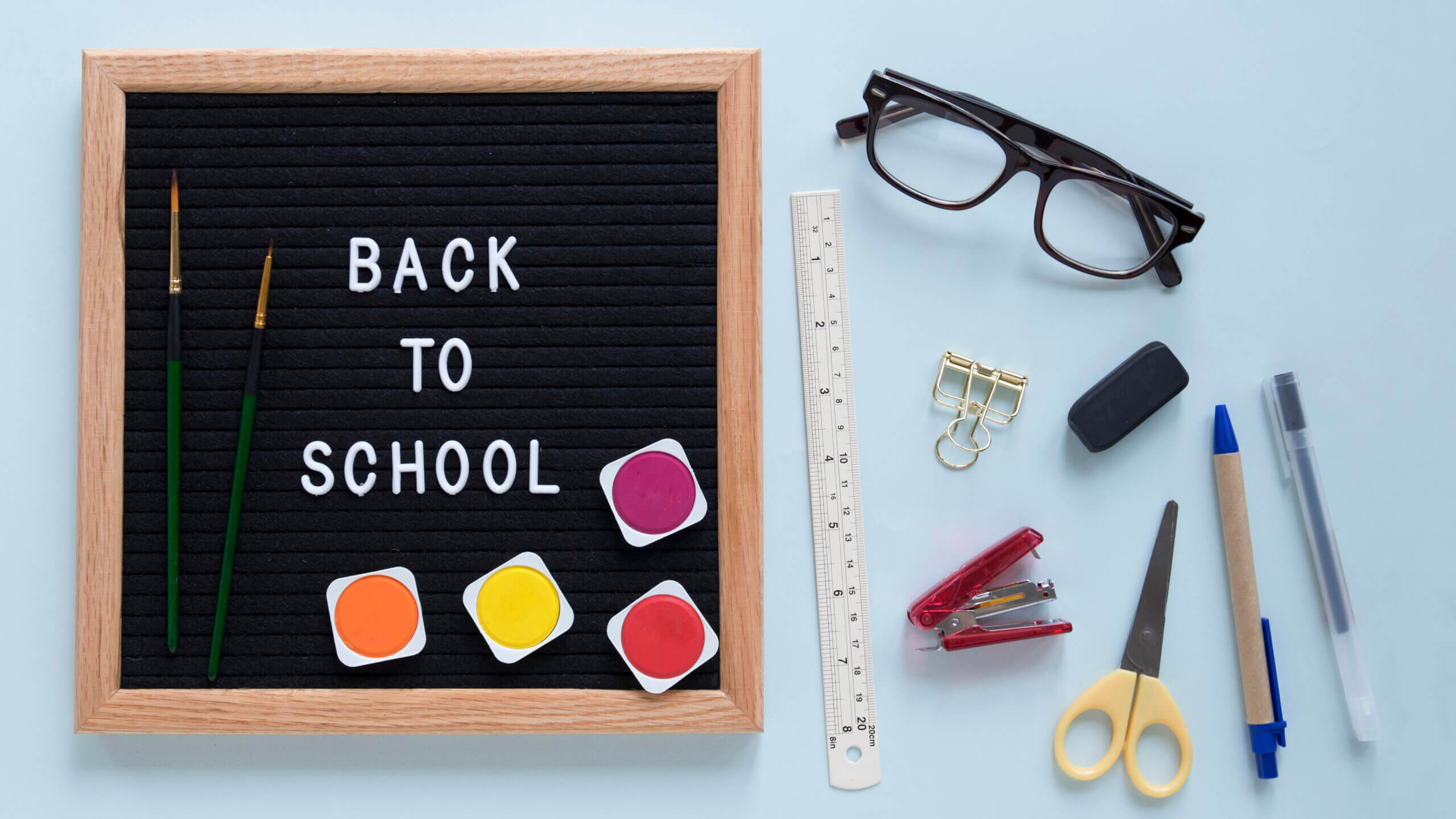
- School Supplies: Purchasing school supplies in bulk is a great way to reduce stress as all children K-12 will need them in order to be productive in their academic journey.
- Preparing for Extra-Curricular activities: As fun and exciting as extra-curricular activities can be, they also can add an extra layer of stress due to accommodating the extra time (for parents and children) as well as the amount of energy exerted during these events/games. Creating a master calendar, whether a Google app or a traditional wall calendar, that everyone has access to could be very helpful for planning and organizing which will in turn reduce the overall stress associated with these activities.
In conclusion, preparing to return to in-person learning can be challenging, particularly amidst a new layer of concern amidst Covid-19 Pandemic. School aged children have missed at least a year of in-person learning which may have led to emotional, mental, and social concerns. As we prepare to transition back, there are ways we can navigate this experience to have an optimal result. Allowing children to acknowledge how they are feeling regarding returning after remote learning and implementing practical tips such as creating and implementing routines, having proper nutrition, and preparing for extra-curricular activities will help to make it a smooth and enjoyable transition for all.
Kiyla Holloway, LSW
https://www.cdc.gov/coronavirus/2019-ncov/community/schools-childcare/k-12-guidance.html
Eating well for mental health. (2021, March 25). Sutter Health | Doctors and Hospitals | Northern California. https://www.sutterhealth.org/health/nutrition/eating-well-for-mental-health
U.S. Census Bureau. (2020, August 26). Schooling during the COVID-19 pandemic. The United States Census Bureau. https://www.census.gov/library/stories/2020/08/schooling-during-the-covid-19-pandemic.html